

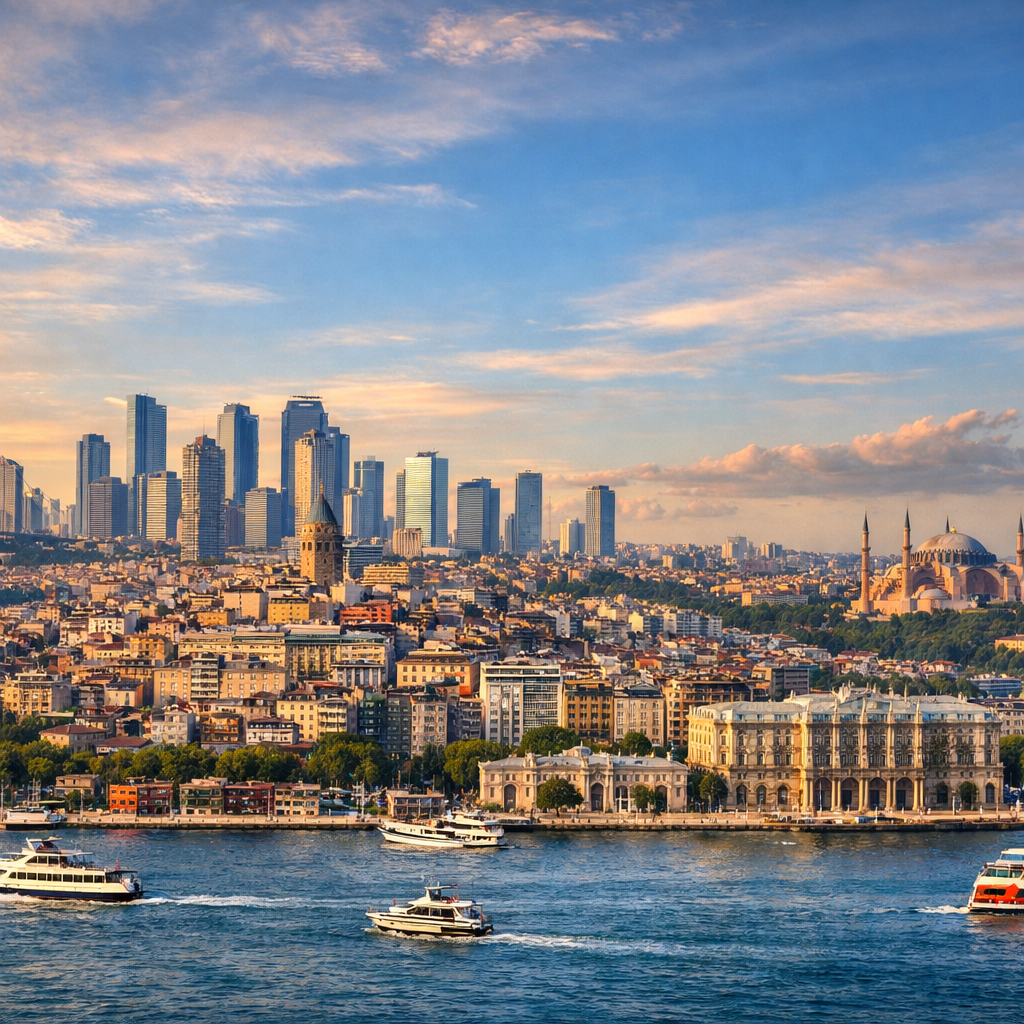
Istanbul’s real estate market continues to evolve, presenting both challenges and opportunities for investors and residents alike. Understanding the current trends and key districts is essential for making informed decisions.
Market Overview
As of early 2026, the average housing price in Istanbul is approximately 56,978 TRY per square meter, equating to about $1,325 per sqm. The median price is slightly lower at around 51,300 TRY per sqm ($1,193 per sqm), influenced by the presence of luxury properties that elevate the average.
In February 2026, Istanbul experienced a nominal yearly price increase of 27.99%. However, when adjusted for inflation, this reflects a real-term decline of 2.69%. This indicates a market shift towards stability, moving away from the rapid price escalations of previous years.
Key Districts and Investment Hotspots
Property prices in Istanbul vary significantly across districts:
- Beşiktaş: 100,000 to 250,000 TRY per sqm
- Kadıköy: 90,000 to 200,000 TRY per sqm
- Sarıyer: Similar high-end pricing
- Esenyurt: 30,000 to 50,000 TRY per sqm
- Pendik: 35,000 to 55,000 TRY per sqm
- Beylikdüzü: 38,000 to 58,000 TRY per sqm
Emerging districts such as Eyüpsultan, Kağıthane, Küçükçekmece, Bahçelievler, and Zeytinburnu are gaining attention for their strong rental yields and shorter amortization periods. These areas offer promising opportunities for investors seeking higher returns.
Investment Considerations
The market is currently characterized by a “quality premium,” with buyers favoring newer constructions that adhere to post-2018 earthquake regulations. Such properties have seen price increases of 35-40%, surpassing the city average. Safety and modern amenities have become crucial factors for investment viability.
Additionally, the economy is stabilizing, with policy rates expected to drop to 25% by the end of 2026. This is anticipated to make mortgages more accessible, potentially boosting demand. Inflation is projected to fall to 18%, suggesting that property owners in high-growth areas may experience positive real gains.
Conclusion
Istanbul’s real estate market is transitioning towards a more balanced and quality-focused landscape. Investors and homebuyers should conduct thorough research, considering both current market data and future projections, to make informed decisions in this dynamic environment.