

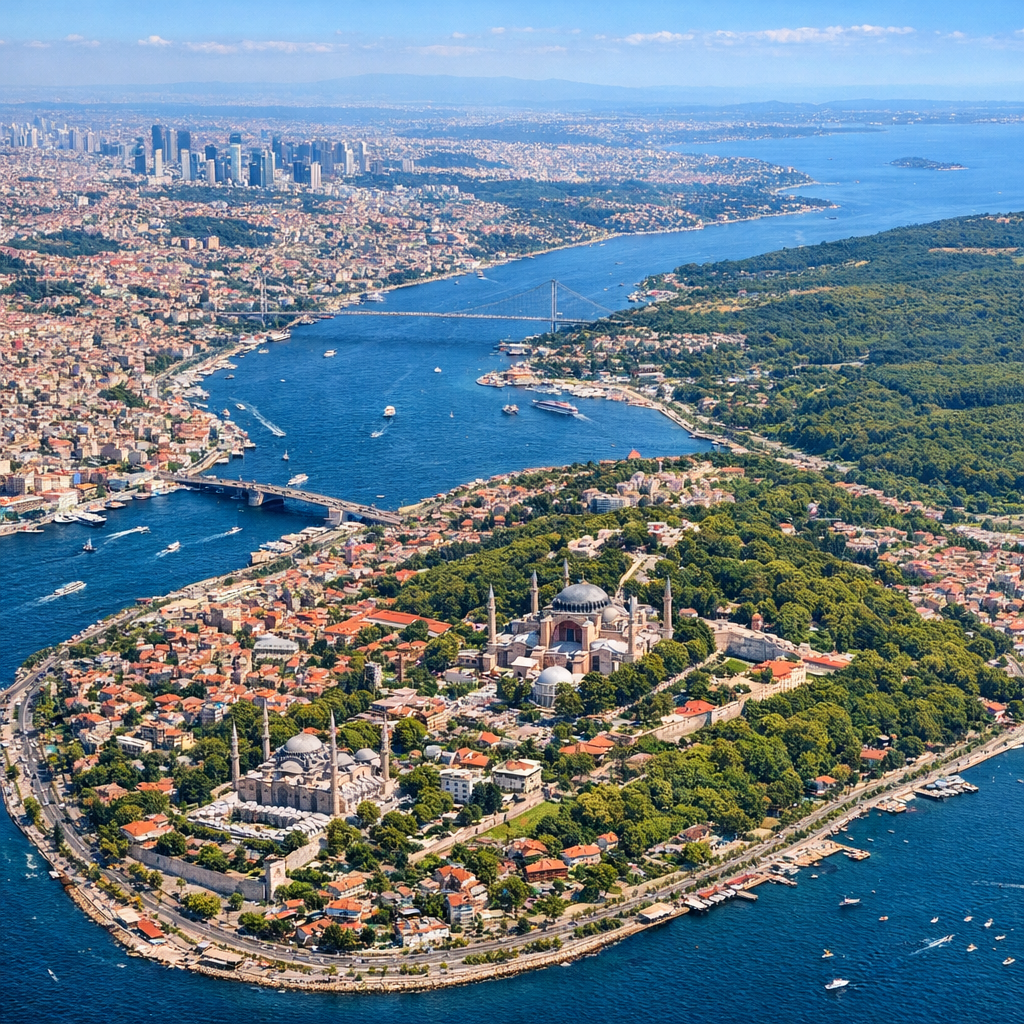
Istanbul’s rapid urbanization has led to a significant environmental challenge known as the Urban Heat Island (UHI) effect. This phenomenon results in urban areas experiencing higher temperatures compared to their rural surroundings, primarily due to human activities and alterations in land use.
What is the Urban Heat Island Effect?
The UHI effect occurs when natural landscapes are replaced with dense concentrations of pavement, buildings, and other surfaces that absorb and retain heat. This leads to elevated temperatures in urban areas, especially during the night, as these materials release the stored heat.
Impact on Istanbul
Studies have shown that Istanbul’s urban areas exhibit higher temperatures than rural and forested regions. For instance, research indicates that urban stations recorded monthly mean temperatures approximately 1°C higher than those in rural areas, with monthly minimum temperatures about 1.5°C higher. Additionally, urban areas experienced more hot days (temperatures of 35°C and above) compared to their rural counterparts.
Contributing Factors
Several factors contribute to the UHI effect in Istanbul:
- Land Use and Land Cover (LULC): The transformation of green spaces into urban developments increases heat absorption.
- Local Climate Zones (LCZ): Different urban structures and materials affect local temperatures.
- Proximity to Water Bodies: Areas near water surfaces tend to have lower temperatures due to the cooling effect of water.
Mitigation Strategies
Addressing the UHI effect requires a multifaceted approach:
- Enhancing Green Spaces: Increasing vegetation through parks, green roofs, and urban forests can provide shade and promote cooling through evapotranspiration.
- Reflective Building Materials: Utilizing materials that reflect rather than absorb heat can reduce surface temperatures.
- Urban Planning: Designing cities with adequate ventilation corridors and considering the thermal properties of building materials can help mitigate heat accumulation.
By understanding and addressing the factors contributing to the UHI effect, Istanbul can work towards creating a more sustainable and comfortable urban environment for its residents.